
A new bottle can make your whole shelf feel ready for a change. Before opening it, take a moment to decide what you actually want to learn. Perhaps you want to understand how a particular texture sits under your moisturizer, or whether an extra step fits into your evening. A clear question makes the experience easier to follow.
Our approach is to give each addition its own space. This is an organisational habit, rather than a promise about results: fewer simultaneous changes leave you with a clearer record of what you used, when you used it and how the experience felt.
Begin with the bottle in your hand
Read the directions on the actual product, including the outer carton if it carries additional information. Products with similar names can have different formulas and instructions. A familiar ingredient does not make two products interchangeable. Keep the packaging until you are confident you can find the directions again.
Write down the product name, where it belongs in your routine and any instructions you need to remember. If the label leaves an important question unanswered, ask the manufacturer before using it. If you use prescribed treatment, ask your clinician about introducing another product alongside it.
Give the rest of your shelf a quiet week
Choose a time when you are not also replacing your cleanser, moisturizer and makeup. Put the other unopened products somewhere separate. That small physical distinction makes it easier to resist turning one new step into a completely different routine.
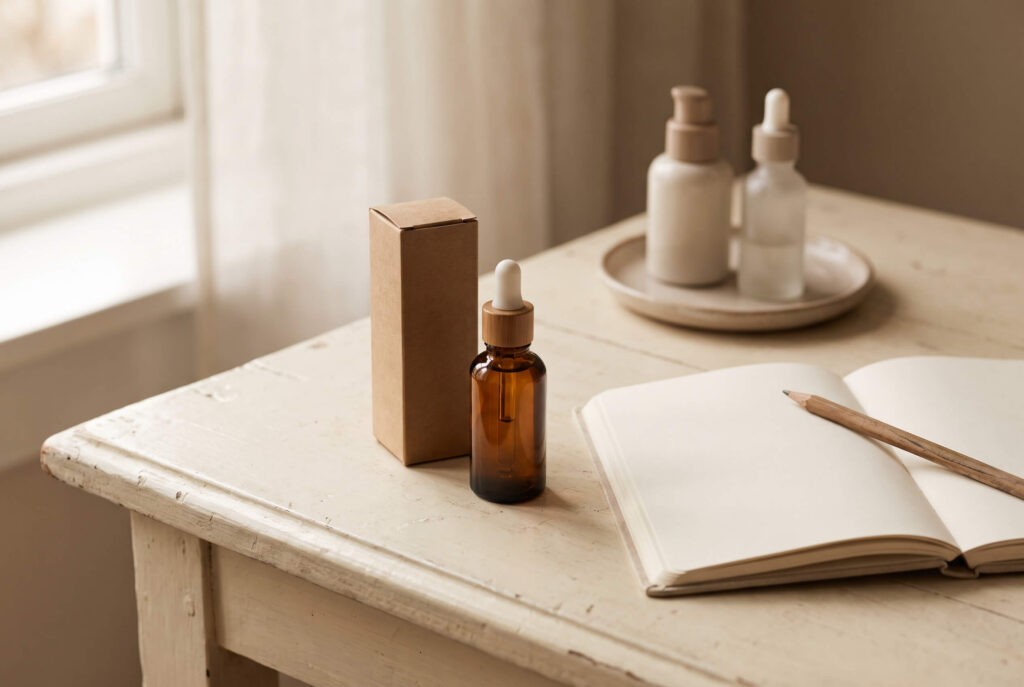
You do not need a new calendar system. A note beside the product name can record the start date, the products used alongside it and any observations. Keep the language specific: the texture felt sticky under this cream, the bottle was difficult to dispense, or the instructions were easy to follow.
Test first, then follow the directions
The American Academy of Dermatology recommends testing new skincare on a small area before broader use. Its linked guide explains the process. A home trial cannot rule out every reaction or replace a clinical allergy assessment. If a product causes a reaction, stop using it; seek medical help for a severe or persistent reaction.
There is no universal schedule in this article for every active. The formula, the directions and your individual circumstances matter. Avoid borrowing someone else’s frequency simply because they use an ingredient with the same name.
Make your notes useful
A simple entry might read: Monday evening, new product used according to its instructions, usual moisturizer afterwards. Add an observation later if there is something meaningful to record. You do not have to photograph your face daily or score every sensation.
Include practical observations too. Did you remember the step without a reminder? Was the amount easy to judge? Did you have enough time to use it as directed? A product can be interesting on paper and still be awkward for your everyday life.
Review before adding anything else
Return to your original question. Decide whether you have enough information to keep the step, pause it or ask for advice. Do not treat an unfinished bottle as an obligation to continue using something that does not suit you.
If you decide to keep it, update your routine note so the next change starts from an accurate picture. The aim is a shelf you understand, with a clear reason for each product and instructions you can comfortably follow. There is no reward for making the routine longer.
A small planning card
Keep four lines in your phone: product name, directions, date opened and observations. Save a photograph of the packaging beside them. This gives you something concrete to refer to when contacting the brand or discussing your routine with a professional.
Before buying the next product, read those four lines again. They often tell you more about what belongs on your shelf than another shopping list. Leave yourself room to decide that your current routine is enough.