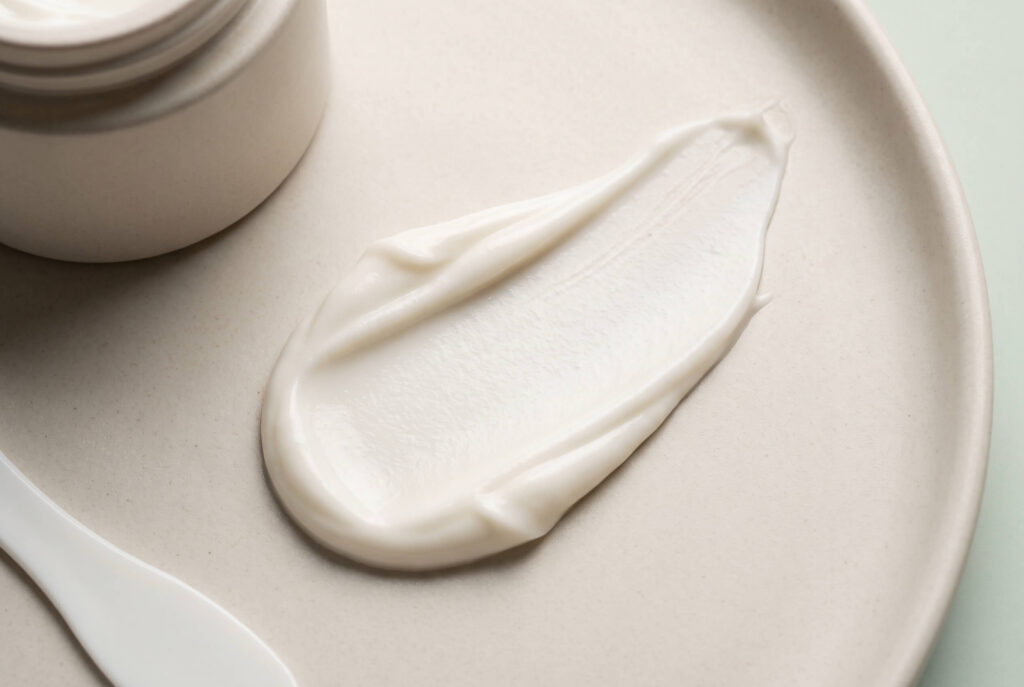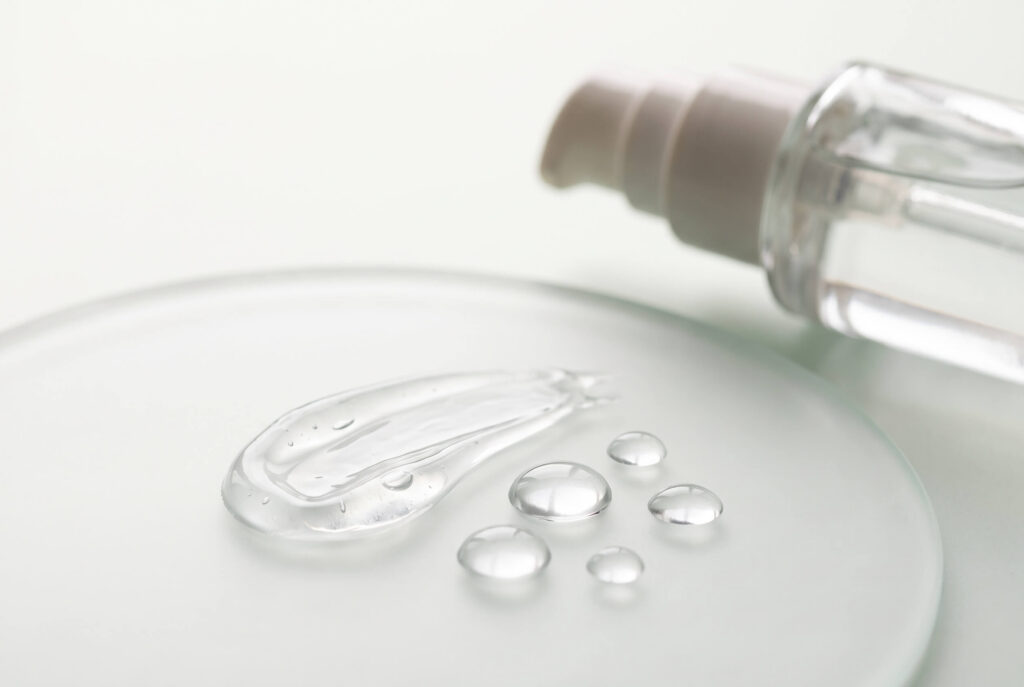

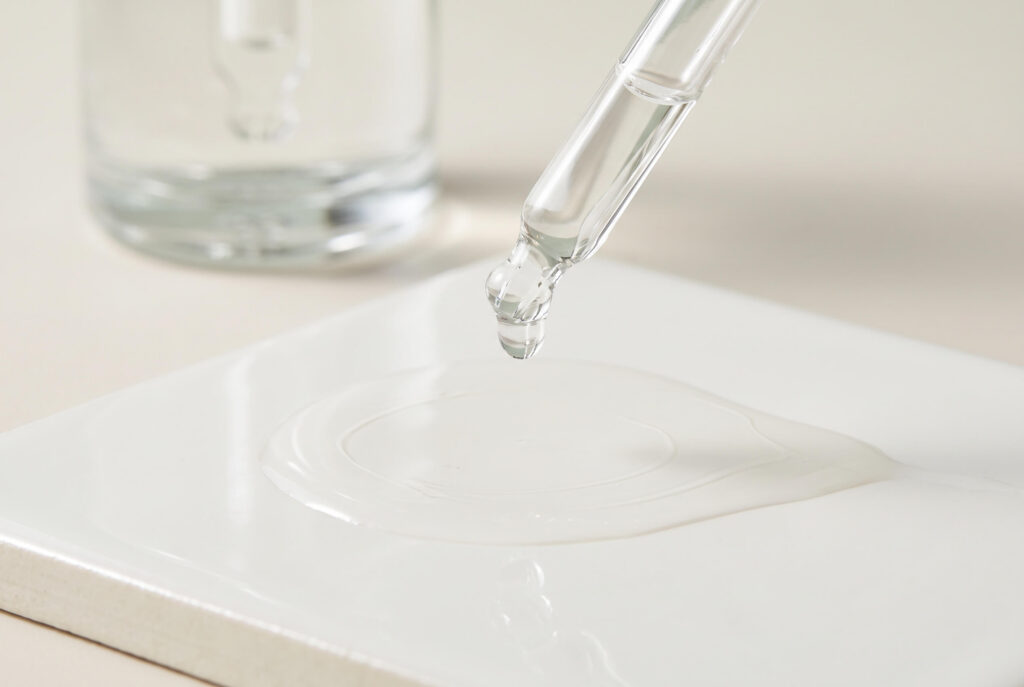
Texture is often the first thing we notice about skincare. Before we can describe a finish precisely, we already know whether a product feels fluid, rich or easy to spread. Those observations can be useful, as long as we keep them separate from promises about results.
When a product highlights squalane, begin with the same careful questions you would ask about any formula: what is the product, how is it used, and what does the maker tell you about the complete ingredient list?
Begin with the exact name
Copy the ingredient name from the label when researching it. Similar-looking words can lead to different information, and a shortened product nickname can make it harder to find the right directions later.
Keep the full product name and manufacturer together in your notes. This helps when comparing information from a retailer with the packaging you actually received. If the lists differ, ask the manufacturer which applies to your bottle rather than guessing.
Describe what you can observe
Use concrete language for a texture: fluid when dispensed, easy to spread, or a noticeable finish after application. These descriptions are more useful than assuming a particular feeling proves that the product is working.
A texture preference is personal and contextual. The finish you enjoy during an unhurried evening may not be what you want before makeup. Neither preference needs to become a rule for everyone else.
Keep the formula in view
Products that highlight the same ingredient can differ in many other ways. Compare the complete product information and the instructions, rather than treating one word on the front label as a full description.
Avoid adding an extra step simply because you want to try a different texture. First identify the place it would occupy in your routine. If you are not sure how it should be used with your existing products, ask for directions specific to those products.
Choose packaging for everyday use
Think about how you handle the container with clean hands. Is the cap easy to close? Can you see the product name without picking up three other bottles? Is the format practical for the place you intend to keep it?
These questions may sound ordinary, but they are part of the experience every day. A beautiful bottle can still be inconvenient in a narrow cabinet. Measure the space you have before choosing the format you want.
Build a useful comparison
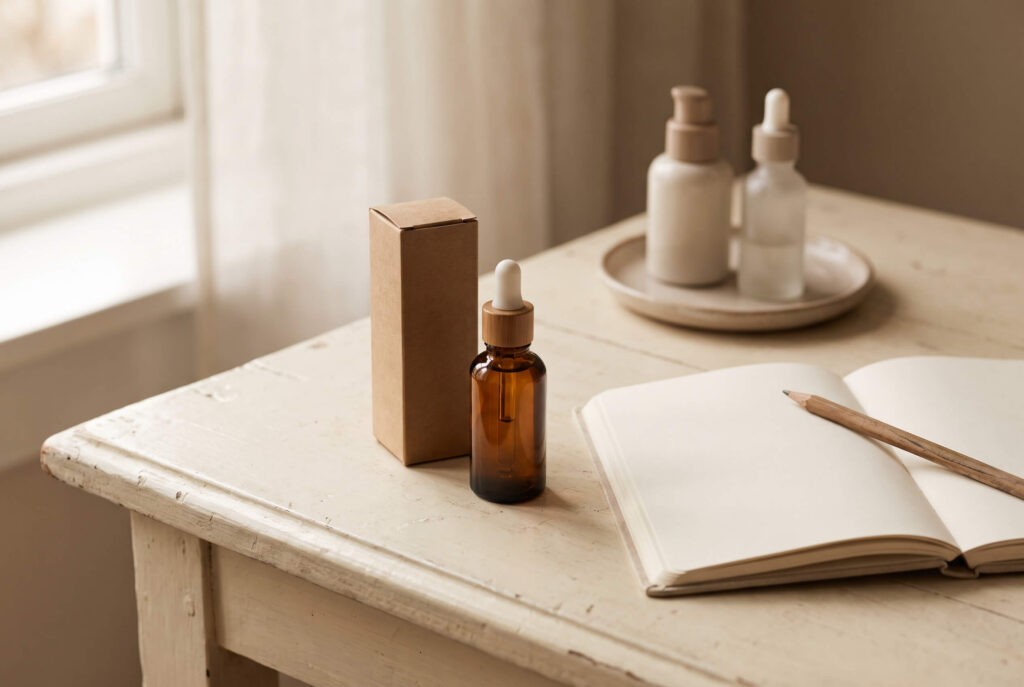
Compare two options on paper using the same headings: name, product type, directions, package size and unanswered questions. Leave a separate area for personal texture notes if you have used the product appropriately.
Do not fill gaps with assumptions based on photographs or the colour of a formula. Where an ingredient comes from, how a product is made and what it can claim should come from documented information supplied by the maker.
Leave room for a simple decision
You may decide that your current routine already has the texture and format you enjoy. Learning about an ingredient does not need to end with another purchase. Save your notes for the next time you actually need to replace a product.
The most useful outcome is a clearer understanding of what you like and what you still want to ask. That knowledge stays with you longer than a trend, and it makes the next label easier to approach.